Honoring African American Veterans by exhibits, tours, and celebrations.
Thank you to our keynote speaker and grand marshals
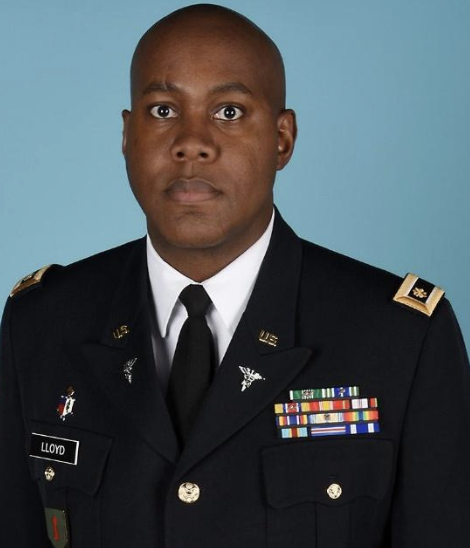
Keynote Speaker: Lieutenant Colonel Andre M. Lloyd Sr.
Lieutenant Colonel Andre M. Lloyd Sr. completed a distinguished 25-year career of honorable service in the United States Army Reserve, marked by progressive leadership, operational excellence, medical logistics expertise, and unwavering commitment to Soldiers and mission readiness.
LTC Lloyd began his military career in 1998 when he enlisted in the United States Army Reserve as a Medical Supply Specialist with the 865th Combat Support Hospital. He completed Basic Combat Training at Fort Leonard Wood, Missouri, followed by Advanced Individual Training at Fort Sam Houston, Texas. From the outset of his career, he demonstrated the discipline, professionalism, and dedication that would define his service for the next quarter century.
In 2003, LTC Lloyd graduated from the Canisius College Reserve Officers' Training Corps (ROTC) program and was commissioned as a Second Lieutenant in the United States Army Reserve Medical Service Corps. Returning to the 865th Combat Support Hospital, he assumed positions of increasing responsibility, serving as Platoon Leader, Officer in Charge of Patient Administration, Officer in Charge of Training, and Company Executive Officer. These assignments established him as a capable leader with a strong foundation in medical operations, personnel management, training, and organizational readiness.
In 2007, LTC Lloyd deployed to Afghanistan in support of Operation Enduring Freedom. Assigned to the Afghan Regional Security Integration Command–South, he served as both a Combat Health Support Officer and Combat Advisor to the Afghan National Army. In these demanding operational roles, he provided medical support to military operations while advising Afghan military leaders and contributing to the development of their operational capabilities. His deployment reflected his ability to operate effectively in complex environments while building partnerships and advancing the mission.
In 2012, LTC Lloyd assumed command of Alpha Company, 865th Combat Support Hospital. As Company Commander, he was entrusted with the readiness, accountability, training, morale, and welfare of more than 200 Soldiers stationed in Niagara Falls, New York. His command demonstrated his ability to translate strategic objectives into disciplined execution while maintaining a steadfast commitment to the Soldiers under his leadership.
Following command, LTC Lloyd transferred in 2014 to the 3rd Battalion, 309th Combat Service/Combat Service Support Battalion, where he served as a Medical Services Observer Coach/Trainer (OC/T) Team Chief. He led a team of 17 senior noncommissioned officers and company-grade officers responsible for evaluating, coaching, and certifying Active Duty, Army Reserve, and National Guard units for deployment. Through Army Contingency Force, WAREX, CSTX, and other large-scale readiness exercises, he helped prepare units to meet demanding operational standards and deploy with confidence.
In 2018, LTC Lloyd returned to the 865th Combat Support Hospital as the Battalion S-4, serving as the organization's senior logistics officer. He managed logistics operations for a battalion of more than 600 Soldiers, overseeing 30 military vehicles and organizational equipment valued at more than $30 million. His responsibilities encompassed supply accountability, deployment planning, equipment management, lateral transfers, reports of survey, and overall logistical readiness. Through effective stewardship of resources and deliberate planning, he ensured the organization remained prepared to execute its mission.
In 2019, LTC Lloyd was assigned to the 89th Sustainment Brigade as the Brigade Medical Logistics Officer. In this critical role, he planned, coordinated, and managed medical logistics operations supporting subordinate units throughout the brigade. His portfolio included medical supply operations, healthcare-facility support, blood storage and distribution, optical fabrication, inventory management, Class VIII medical supplies, and lifecycle sustainment of medical facilities and equipment. His expertise strengthened the brigade's ability to sustain medical operations and maintain readiness across a diverse operational environment.
In 2020, LTC Lloyd was assigned as the Health Facilities Planner for the 353rd Civil Affairs Command. In this position, he provided specialized expertise in public health infrastructure planning, healthcare systems management, facility rehabilitation, and logistical support operations. He also served as a liaison among federal, state, local, and civilian agencies, coordinating public health initiatives and supporting civil-military operations. This assignment highlighted the breadth of his experience and his ability to bridge military capabilities with civilian and interagency partners.
After 25 years of honorable and faithful service, LTC Lloyd retired from the United States Army Reserve in 2023. His career reflects a remarkable evolution from an enlisted Medical Supply Specialist to a commissioned officer, company commander, senior logistics leader, medical planner, and trusted advisor. Throughout his service, he consistently demonstrated leadership, technical competence, sound judgment, and an enduring commitment to mission accomplishment and the welfare of Soldiers.
LTC Lloyd's military education includes the National Advanced Leadership Course, Army Medical Department Officer Basic Course, Pre-Command Course, Military Transition Team Training, Combat Lifesaver Course, Applied Suicide Intervention Skills Training (ACE-SI), Army Medical Department Captain's Career Course, Intermediate Level Education Common Core, Observer Coach/Trainer Academy, and Medical Logistics Officer Course.
His military decorations and awards include the Meritorious Service Medal, Army Commendation Medal, Army Achievement Medal, Afghanistan Campaign Medal, National Defense Service Medal, Global War on Terrorism Service Medal, Army Service Ribbon, Overseas Service Ribbon, Army Reserve Overseas Training Ribbon, Armed Forces Reserve Medal with "M" Device, and NATO Medal.
LTC Lloyd's legacy is defined not simply by the positions he held, but by the Soldiers he led, the organizations he strengthened, the missions he supported, and the readiness he helped build. His 25 years of service represent a lasting commitment to duty, leadership, and country—and a career worthy of lasting recognition and respect.
Our 2026 Grand Marshals
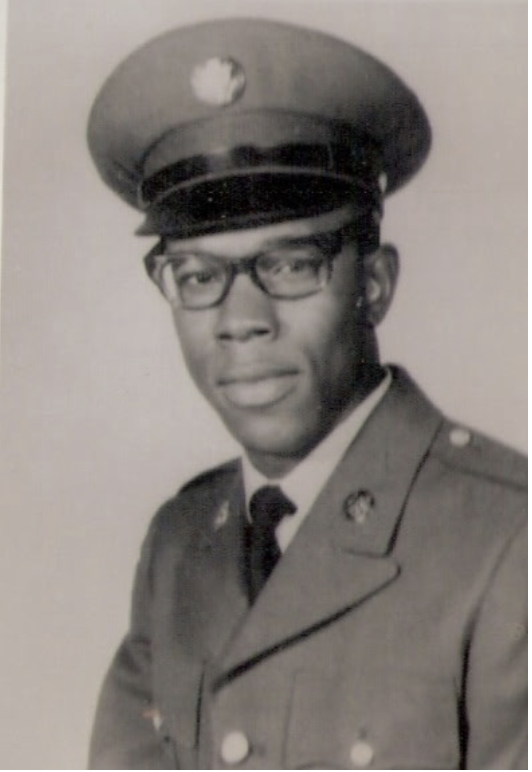
Bobby Robinson
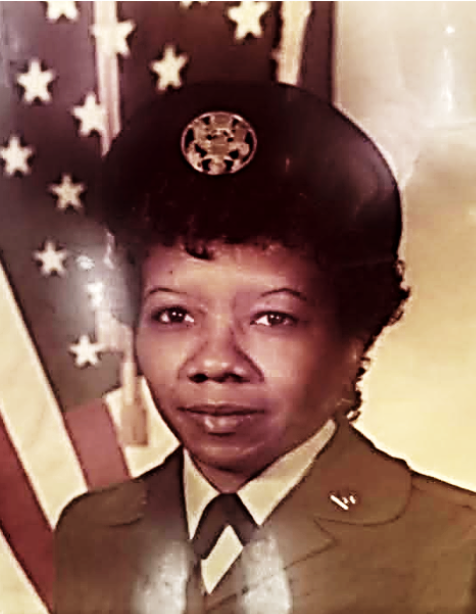
Doris Brooks
JOIN A COMMUNITY OF VETERANS THAT ARE HERE TO SUPPORT OTHER EACH OTHER, AND EDUCATE OUR COMMUNITY ABOUT OUR SERVICE, SACRIFICE AND HISTORY.
African American September Military History
African American military history in September features critical milestones, from the Civil War's path toward emancipation to the end of major global conflicts.
Key September Milestones
· September 22, 1862: President Abraham Lincoln issued the Preliminary Emancipation Proclamation. This crucial order warned that enslaved people in rebelling states would be declared free by January 1, 1863. It paved the way for the official enlistment of roughly 180,000 Black soldiers in the United States Colored Troops (USCT).
· September 20, 1862: The Black Brigade of Cincinnati finished their forced and voluntary engineering labor. Free Black men organized themselves into this military unit to dig rifle pits and build fortifications to protect Cincinnati from Confederate threats, setting an important precedent for Black labor and defense service.
· September 2, 1945: World War II formally ended with the official surrender of Japan aboard the USS Missouri. Over 1.2 million African Americans served in the armed forces during World War II, contributing heavily in segregated transport, quartermaster, aviation (such as the Tuskegee Airmen), and combat roles across global fronts.
· September 1975: The U.S. military and Department of Defense continued post-Vietnam integration and policy adjustments; notably, key milestones recognizing minority leadership and the ongoing integration of the armed forces advanced during this era.
LEARN MORE ABOUT OUR ORGANIZATION
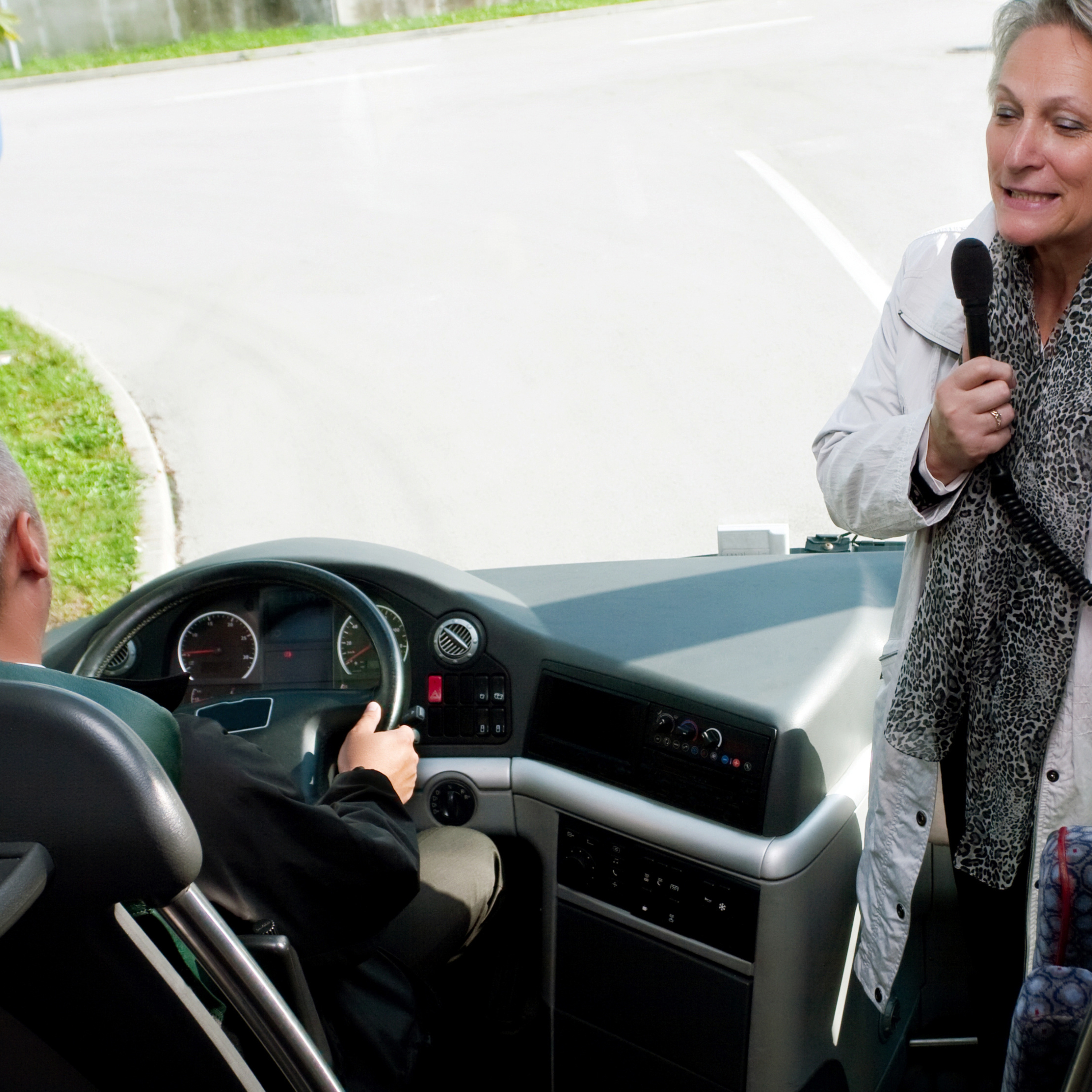
BUS TOURS TO
LOCAL MONUMENTS
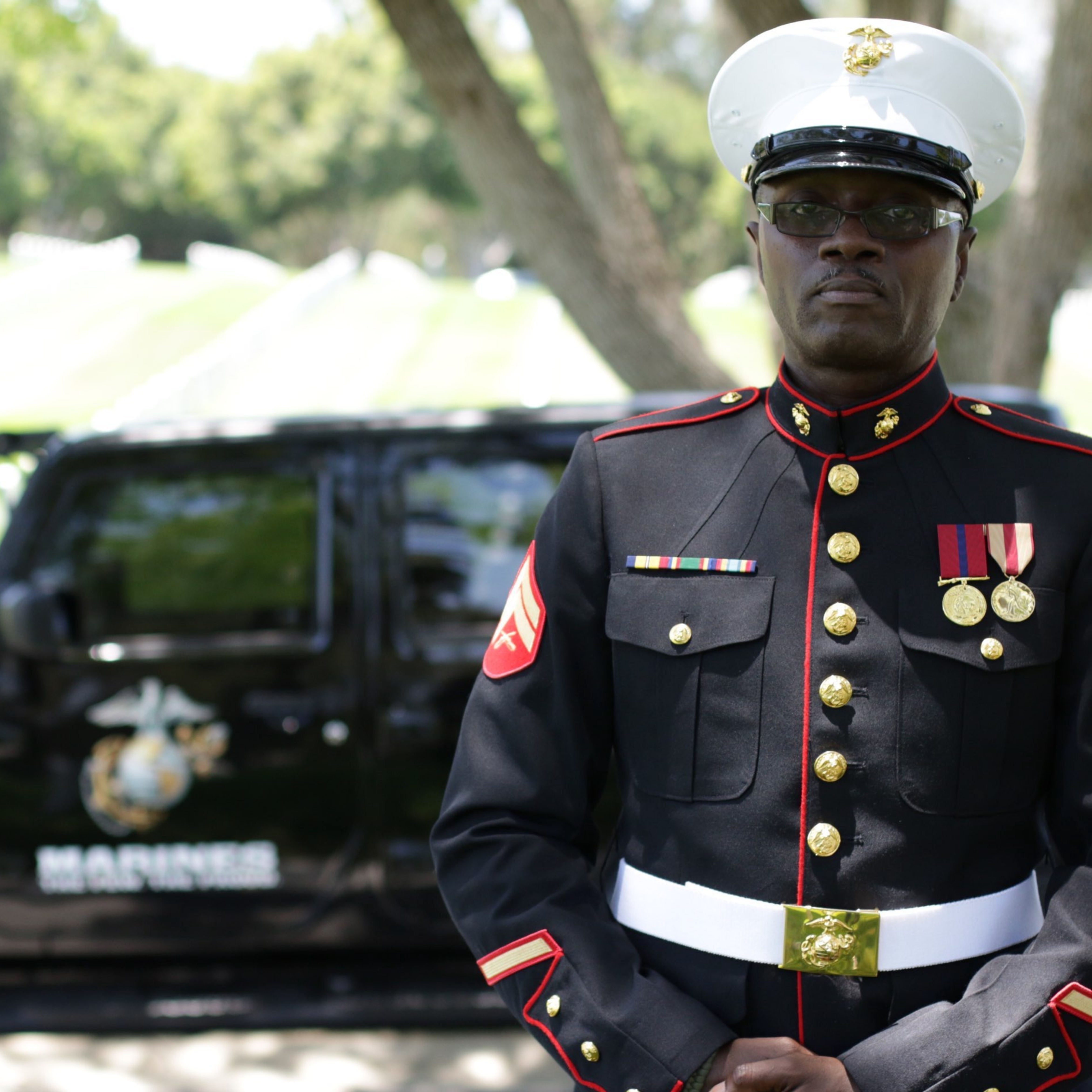
COMMUNITY
ENGAGEMENT EVENTS
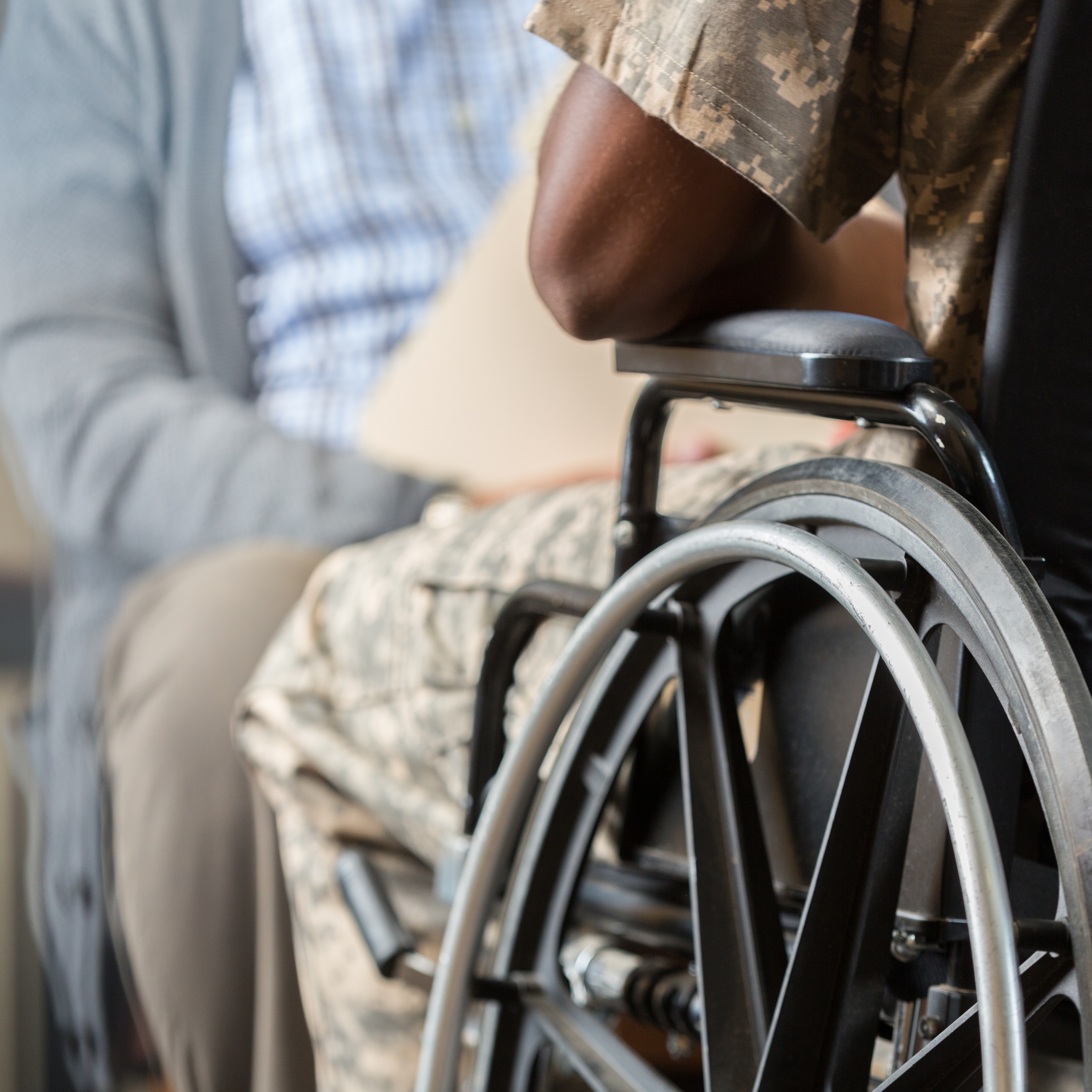
RESOURCES FOR
ALL VETERANS
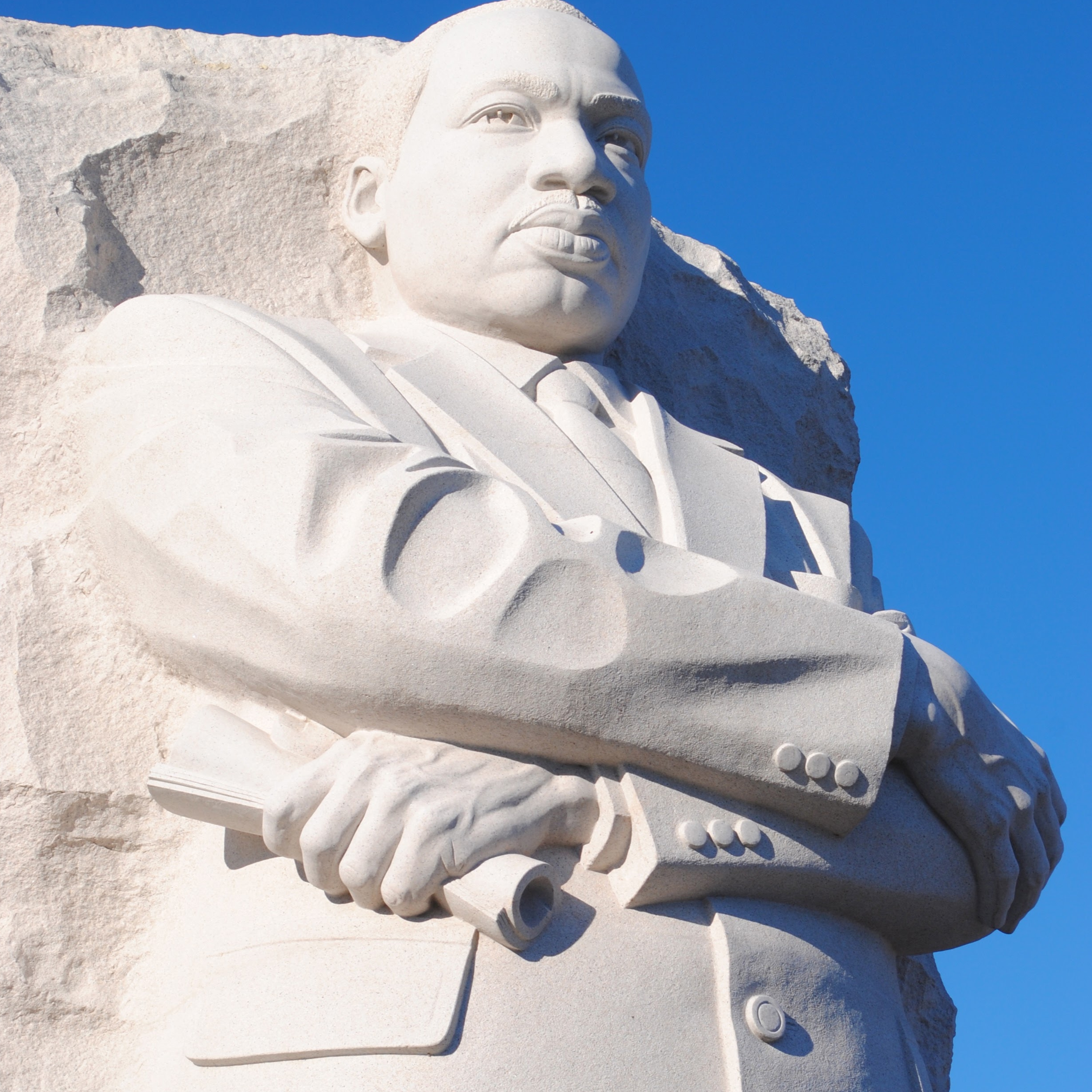
HISTORICAL DISPLAYS
AND EDUCATIONAL EVENTS
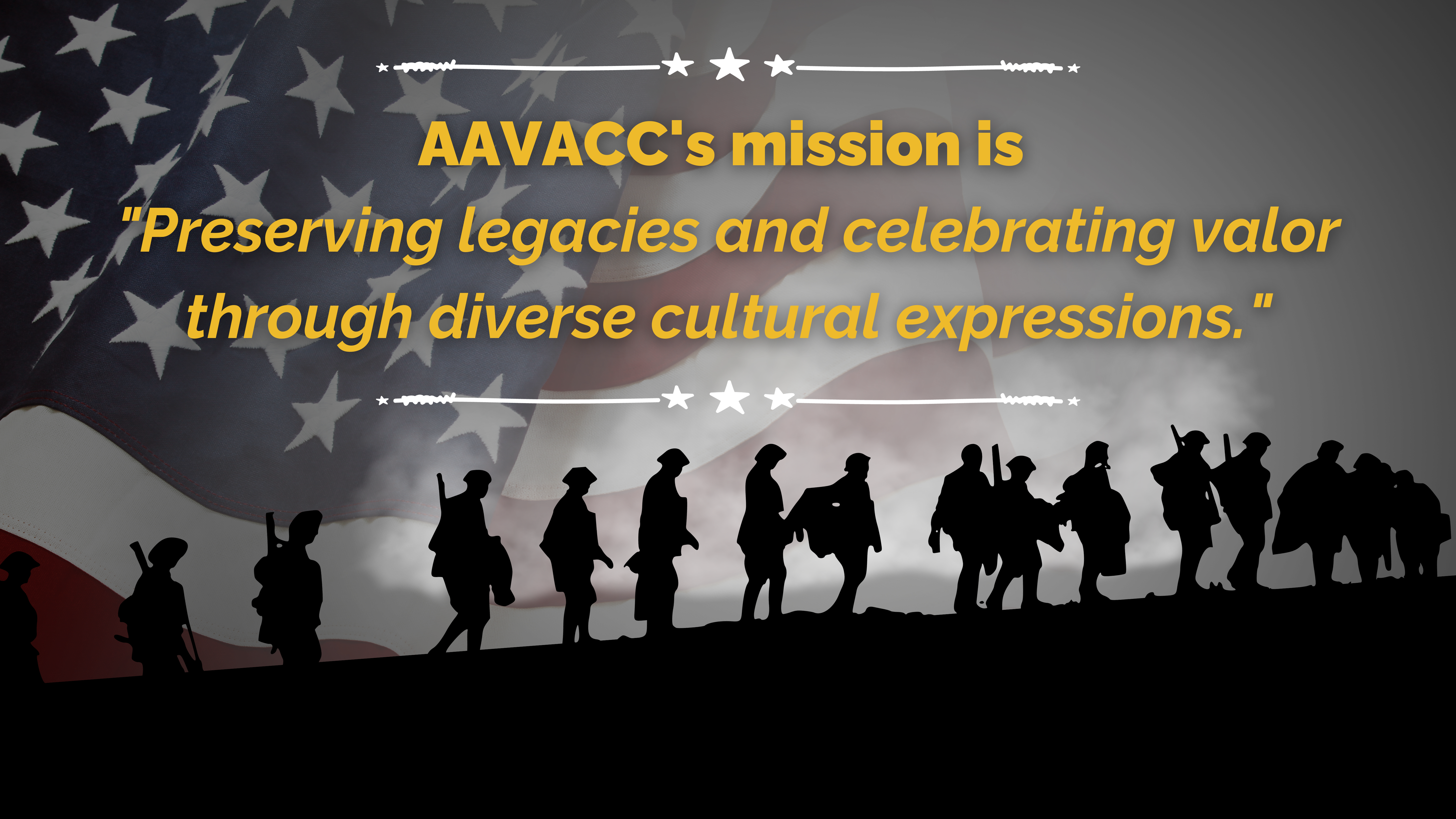
African American Veterans Arts and Culture, Inc. is a phenomenal organization within the buffalo community that celebrates African American Veterans, Culture, Heritage, and Legacy! Please support our efforts by donating today!